Makeover Match Game - Game Level Design
2022 a 2023
Client
Tactile Games

The Challenge
Developing the environments for Makeover Match required balancing visual quality, performance, and scalability for mobile platforms.
I built the environments using optimized low-poly assets, modular design, and efficient draw call management, enabling fast iteration across multiple levels without increasing memory costs. Texturing followed a PBR workflow in Substance Painter, focusing on clean materials, consistent texel density, and stylized realism within strict technical limits.
Lighting relied primarily on baked solutions, light probes, and reflection probes to create distinct atmospheres while maintaining performance. Integration in Unity involved careful prefab setup, LOD strategies, and continuous profiling to ensure consistency across devices.
The main challenge was delivering immersive, production-ready environments that aligned artistic direction, technical optimization, and AI-assisted workflows.
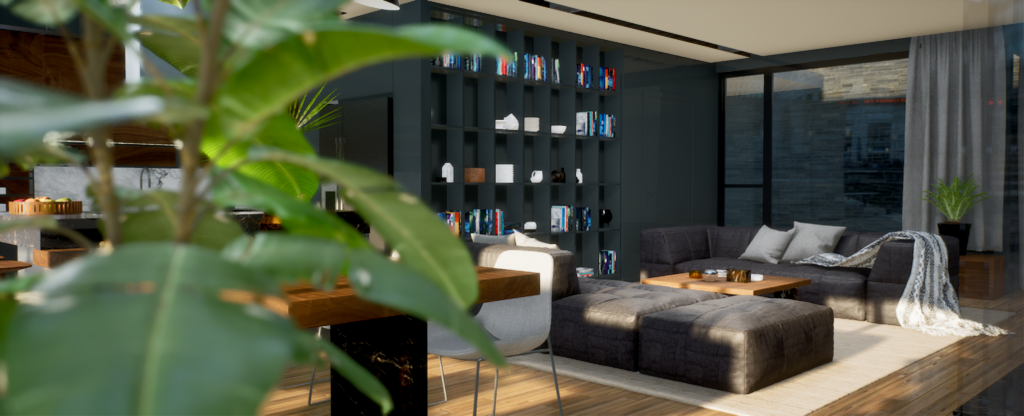
Levels Environment Stills
LOW POLY MODELING AND OPTIMIZATION IN MAYA
Each environment was built using an optimized low-poly modeling approach, carefully balancing shape readability and performance. Assets were designed modularly to maximize reuse across multiple levels, while maintaining clean topology, efficient UV layouts, and reduced draw calls suitable for mobile production constraints.

ASSETS UVs OPTIMIZATION AND LAYOUT
UV optimization and layout in Maya for a low-poly asset, focusing on efficient texel density, minimal shell fragmentation, and optimal UV space usage. A clean and consistent layout was created, avoiding stretching and unwanted overlaps, with properly oriented shells to support texturing and baking workflows. The process was designed with real-time performance in mind, balancing visual quality and resource efficiency, aligned with game and interactive visualization pipelines.

TEXTURING IN SUBSTANCE PAINTER
Texturing in Substance 3D Painter for a low-poly asset, using a PBR workflow with layered materials and smart masks to achieve visual richness while maintaining performance efficiency. Textures were authored with consistent texel density and clean material separation, leveraging generators and hand-painted details to enhance readability and realism. The setup was optimized for real-time use, ensuring compatibility with game engines and interactive visualization pipelines.

TEXTURE STILLS
With carefully balanced base color, roughness, and metallic values to ensure visual consistency across all assets. Materials were refined through layered textures and controlled wear to enhance readability and material definition while preserving a clean stylized look. Texture sets were optimized for real-time rendering, maintaining consistent texel density and efficient texture usage, ready for integration into game engines or interactive environments.

UNITY INTEGRATION
Lighting was designed to support both gameplay readability and emotional tone. A strong emphasis was placed on baked lighting, light probes, and controlled color temperature to create depth and atmosphere while maintaining optimal performance. Each level required fine tuning to preserve consistency across different environments.
Final integration in Unity involved structured prefab setups, proper asset scaling, and scene optimization. LOD strategies, light baking workflows, and engine-side adjustments were continuously refined through profiling to ensure stable performance across devices while keeping the environments visually cohesive and production-ready.